Skip to content

Guides and tips

Guide to Buying a Motorhome

A second-hand motorhome is the ideal way to get started in the world of flexible travel. To ensure you make the right decision when buying, TÜV NORD offers tried-and-tested advice on inspecting key parts of the vehicle, such as the bodywork, underbody, engine compartment, tyres and electrical systems, as well as on checking the documentation (e.g. inspection report, user manuals and vehicle registration documents).


Zwei Personen im Wohnmobil auf einer Reise

Buying a used motorhome - what you need to know

A second-hand motorhome can be the perfect way to experience the freedom of the open road. But you need to be well prepared before buying: which parts of the vehicle should you check carefully? Which documents are important? And how can a sales contract protect you from unpleasant surprises? Our tips will guide you step by step through the entire process.


A scrutinising look at the vehicle

  • Bodywork: Look out for scratches, dents, differences in paintwork, rust spots or pitting – particularly at the junctions between fibreglass and metal, or around windows and roof hatches. Use the shadows cast by the light to reveal any unevenness.
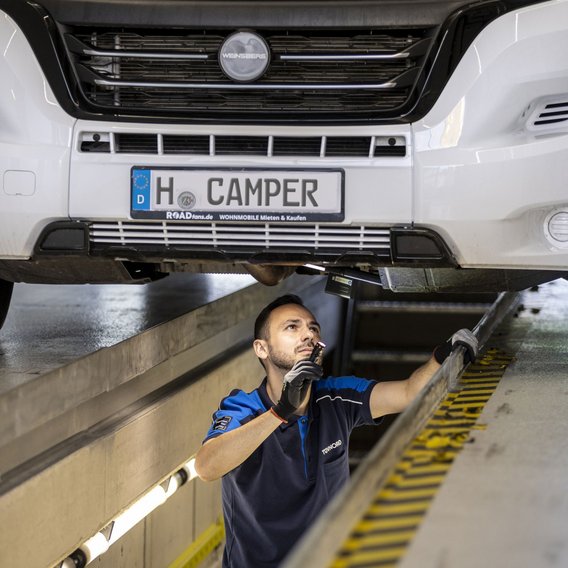
  • Underbody: Inspect the frame, load-bearing parts and the floor panel for corrosion or damage – ideally using a torch and tapping lightly to identify any weak spots.
  • Engine compartment: Open the bonnet and check the condition of the oil, coolant and brake fluid. Check hoses, belts, cables and the battery for visible damage or wear.
    Wheels & tyres: Check the DOT number for age and the tread – according to recommendations, tyres should be no more than six years old, and wear across the entire tread should be even.
  • Electronics in the motorhome: Test the lighting, windscreen wipers, sockets, water pumps, satellite/TV modules, on-board cool boxes and fuse box to ensure they are working properly.
     

Important enquiries & documents

  • MOT test: Ask for the date of the last MOT and the due date of the next one. Ask to see the full test report – in particular, to check whether there were any significant faults.
  • Inspection report: You should be provided with the full report from the last MOT – including any follow-up inspections or deadlines.
  • Owner’s manual: This will help you identify the vehicle’s equipment, special features and any modifications or installations.
  • Vehicle documents: These include the registration certificate (Parts I & II), entries regarding optional equipment (e.g. alloy wheels, LPG system, tow bar), and previous certificates for LPG testing and leak testing.

How the test drive & interior view works

Test drive

Be sure to insist on a test drive if you’re thinking of buying a second-hand motorhome, caravan or campervan.

This will allow you to check whether 

  • the clutch,
  • gearbox,
  • braking system and
  • all electrical systems 

are working properly and that there are no unusual noises. You will also find out how the vehicle performs on country roads, motorways and in city traffic – giving you a real feel for its performance, ride comfort and suitability for everyday use.

Interior checklist (for motorhomes & caravans)

  • Are the upholstery, fabrics and surfaces in good condition? Do the hinges, doors and flaps open easily and without resistance?
  • Is the interior free from rust, damp and mould?
  • Are the pipes of the fresh water tank undamaged and free from algae?
  • Do the toilet, shower tray and washbasin work properly?
  • Does the hob burn evenly with a blue flame?
  • Do all lights and electrical fittings work without any problems?

Gas system checklist (for motorhomes & caravans)

  • Is there a valid certificate from the last gas inspection?
  • Have any installations or modifications been documented and inspected?
  • Are the gas cylinder cabinets sealed and securely locked?

On-board equipment checklist (only for motorhomes)

  • Does the mileage correspond to the overall condition and the service records?
  • Has the oil been changed in accordance with the recommended 2-year interval or the service indicator?
  • Do the dashboard, fuse box and indicators show no faults or defects?

Furnishing the living area - practical & safe

  • Furniture such as cupboards and tables must be permanently fixed in place – the table may be fold-out.
  • Materials should be flame-retardant, edges should be rounded and cupboards should be lockable to prevent items from flying out in the event of an emergency braking manoeuvre.
TÜV NORD Tip

Find out in advance which dealers offer test drives in your preferred vehicle and, ideally, get the appointment confirmed directly. Also, clarify important details beforehand: Who covers the fuel costs? How many kilometres are allowed? And how long can the test drive last? That way, both parties are on the safe side.

What you should know

Frequently asked questions about buying motorhomes

A complete maintenance history (e.g. oil changes, service records, repairs) is essential – it shows the condition of the vehicle and minimises the risk of costly repairs after purchase. Ask to see invoices or entries from the service booklet as well.

Make sure you are given all the vehicle documents: MOT certificate, owner’s manual, registration certificate (Parts I & II), and, if applicable, proof of any modifications or gas inspections. Also ask for the date of the last MOT and the due date of the next one.

In the case of a private sale, the warranty can usually be excluded. If the seller refuses to let you see the service history or refuses to allow a test drive, you should be particularly cautious. The exclusion of the warranty only applies if all defects have been disclosed. Concealing hidden defects may nevertheless be enforceable in court.

Look out for essential safety features such as airbags, ESP or Isofix anchor points. Since 2014, for example, ESP systems have been a legal requirement. Older models without such safety technology should therefore be inspected particularly thoroughly. 

Discover exciting motorhome topics and helpful guides

From travel inspiration to practical tips on motorhomes: discover a wide range of topics to make your next trip even more relaxing and safe.
Handwerker bei der Arbeit in einem Wohnmobil

How to register your motorhome

What are the technical requirements? What documents are required? Everything you need to know about registering your motorhome.
Guide to registering a motorhome
Prüfingenieur führt eine Unterbodeninspektion an einem Wohnmobil durch

MOT for motorhomes: How to stay safe on the road

What is checked during the MOT test? How can you best prepare your vehicle? Here you will find tips, deadlines and checklists for the MOT test for motorhomes and caravans.
The HU checklist for motorhomes
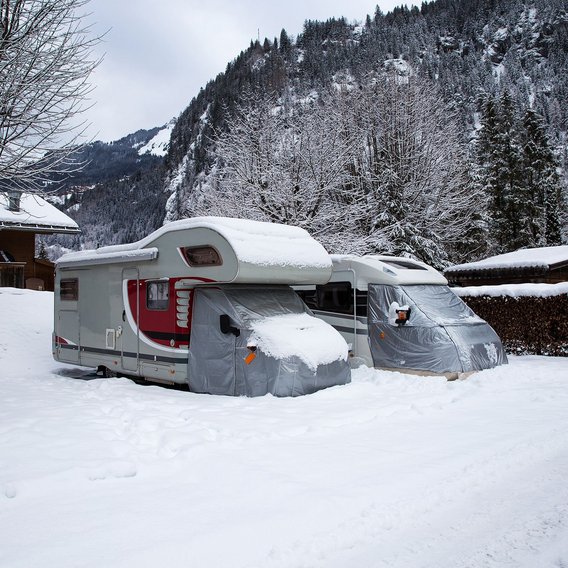
Wohnmobile im Schnee in einer winterlichen Berglandschaft

How to winterise your motorhome

Is winter just around the corner? Then now is the perfect time to get your motorhome ready for the cold season – for greater safety and fewer problems come spring.
View tips and a free checklist now

Contact

We look forward to your enquiry!

TÜV NORD Mobilität

Guide and tips