Skip to content

Guides and tips

Parking in winter

Snow and ice often turn car parks into treacherous traps. Anyone who parks their car carelessly in winter not only risks frozen brakes and damage to the paintwork, but also hinders the snow-clearing services in an emergency. With the right strategy, you can protect your vehicle from the dangers of the cold and get through the frosty season with peace of mind.

View tips for parking in winter
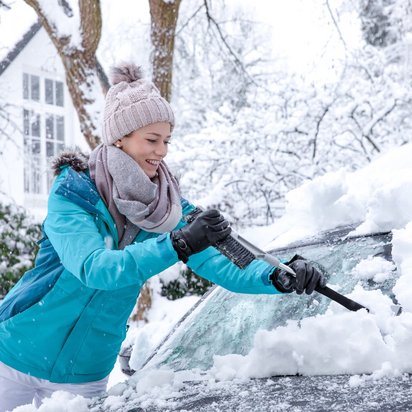
Person in Winterkleidung räumt Schnee von einem Auto in einer verschneiten Umgebung.

The right choice of car park: What matters in frost and snow

Staying safe through the winter involves more than just switching to winter tyres. Even when your car is parked, the weather takes its toll on the bodywork and mechanical components. From the danger of snow sliding off roofs to the strategic use of steering on gradients – find out here how to park your car safely for the winter and what common mistakes you should definitely avoid right now.

Here are the 5 most important professional tips for safe parking in frosty conditions

  1. Do not block snow-clearing
    vehicles. Park your vehicle so that snow-clearing and gritting vehicles can pass easily at all times. Anyone who parks inconsiderately and thereby endangers public safety not only risks being ‘trapped’ in the snow, but must also expect to face towing charges.
     
  2. Make a note of your
    exact location During heavy snowfall, landscapes and car parks change radically. Under a thick blanket of snow, almost all cars look the same. Make a note of your exact location so you can find your vehicle quickly after a snowstorm.
     
  3. Avoid slopes and falling snow
    from roofs Ideally, park on level surfaces. On snow and ice, cars can start to slide even when stationary if temperatures rise slightly.

    Important: On slopes, you should always turn the wheels towards the kerb.

    Danger from above: Avoid parking spaces directly beneath house roofs to prevent damage from falling snow or icicles.
     
  4. Be careful with snowdrifts and kerbs Never
    drive blindly into snowdrifts. High kerbs or bollards are often hidden underneath, causing ugly scratches and dents. Furthermore, snow can get into the engine compartment, melt there and damage components when it freezes again.
     
  5. Preparing your car
    properly Protect your car’s components and bodywork with a few simple steps:

    Windscreen wipers: Flip them up so that the rubber blades don’t freeze to the windscreen. Only operate the wipers once the windscreen is completely free of ice.

    Protective covers: A ‘car cover’ (full tarpaulin) or a windscreen cover saves time in the morning and protects the glass.

    Lighting: Before setting off, thoroughly clear snow not only from the windows but also from the headlights and rear lights.

Keep a hand brush and a small dustpan in the car (not just in the boot!). That way, you’ll be prepared if your car is completely buried in snow when you finish work.

TÜV NORD Tip

Scraping ice off the windscreen is not only time-consuming, but also avoidable – at least when it comes to the windscreen. A cover, ideally made up of four layers of material, can prevent ice or snow from building up on the windscreen. Aluminium foil is another option: this can be useful not only in winter, but also helps to protect against the heat in summer.

Person betätigt die Handbremse in einem Fahrzeug

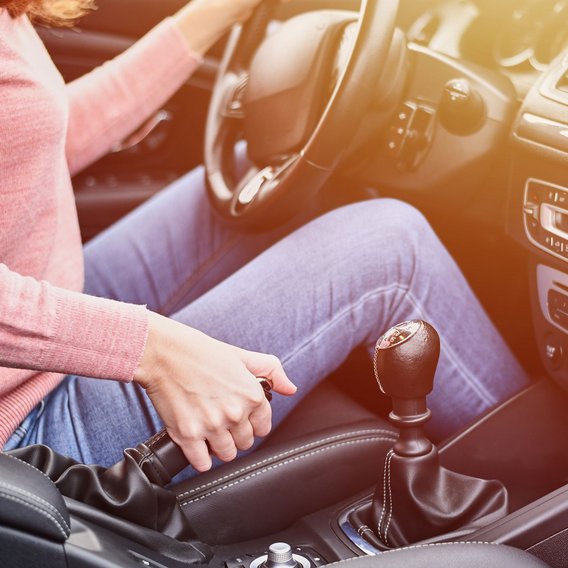
Handbrake in winter: How to avoid freezing

When you get out of the car, you should apply the handbrake. But does this still apply in sub-zero temperatures?

In principle, there is no obligation to apply the handbrake; however, parked vehicles must be secured to prevent them from rolling away.

If the surface is level, it is usually sufficient to engage a gear. To be on the safe side, the handbrake can also be applied. When parking on a slope, this is essential in any case.

However, in sub-zero temperatures, there is a legitimate fear that the applied handbrake might freeze. In principle, a handbrake that is regularly maintained and used will not freeze. However, if you own an older vehicle with drum brakes, caution is advised when parking the car in freezing cold weather with the handbrake applied.

One way to get round this and avoid using the handbrake is to secure the car against rolling away by placing wheel chocks under the wheels, in addition to leaving it in gear.
What you should know

Frequently asked questions about parking in winter

Fold in the wing mirrors or use special covers to protect them from ice and snow. For electric cars, the automatic folding function should be deactivated to prevent damage to the motors.

Park the vehicle so that it does not start to slide. Turn the steering wheel towards the kerb and apply the handbrake. In sub-zero temperatures, the handbrake may freeze, which can be a problem; in this case, additional safety measures should be taken.

Lift the windscreen wipers or use special covers to prevent them from freezing. This protects the wiper blades and ensures better visibility.

Ideally, park your electric car in a heated garage. If this isn’t possible, you should preheat the vehicle to maximise its range and preserve the battery.

Parking in winter - safe in frost & ice

Frost, ice and slippery surfaces make parking in winter particularly challenging. Our 5 expert tips will show you how to park your car safely, prevent it from freezing over and avoid damage to both its appearance and functionality.

Other winter tips that you shouldn't miss

Find out how to prepare your vehicle for winter conditions, navigate safely through the cold season and transport your equipment effectively.
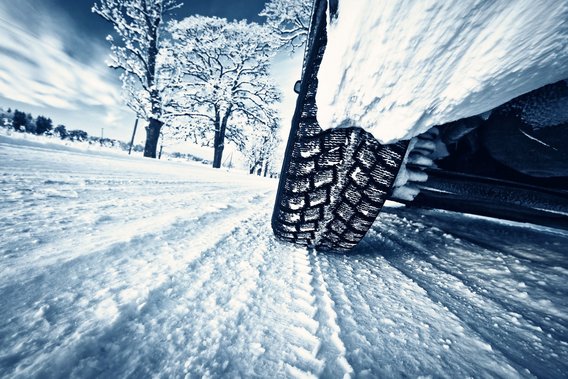
Winterreifen auf schneebedeckter Straße im Winter

Winter tyres & tread depth

Winter tyres aren’t just important when driving – they’re just as important when parked: good tread depth and the legally required markings protect both the vehicle and other road users.
Choosing the right winter tyres
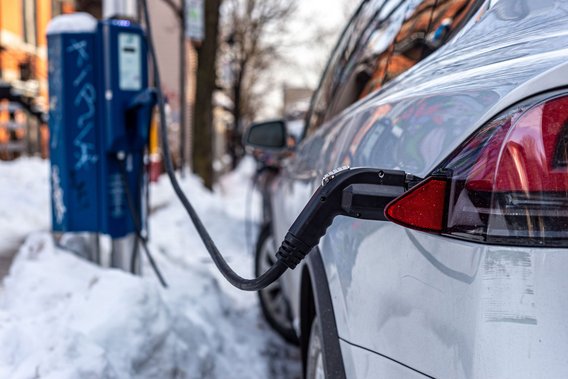
Elektroauto wird im Winter an einer Ladestation aufgeladen

Electric cars in winter

Electric vehicles have specific requirements: if you park outdoors, you should be aware of how the battery, pre-heating function and energy consumption affect performance and range.
Electric cars and winter conditions
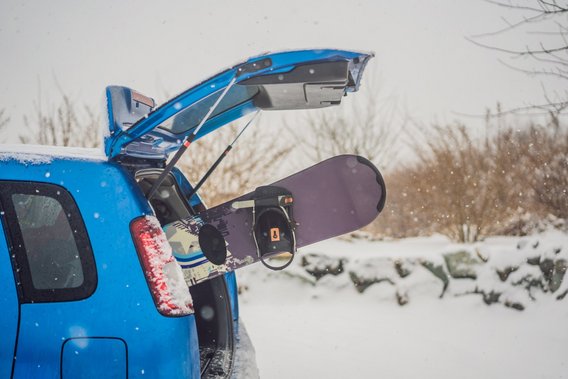
Snowboard im Kofferraum eines blauen Autos bei Schneefall

Transporting winter sports equipment safely

Skis, snowboards and more – here’s how to secure your equipment properly in the boot, on the roof or using roof racks, and avoid putting passengers and the vehicle at risk.
Transporting winter sports equipment safely

Contact

We look forward to your enquiry!

TÜV NORD Mobilität

Guide and tips