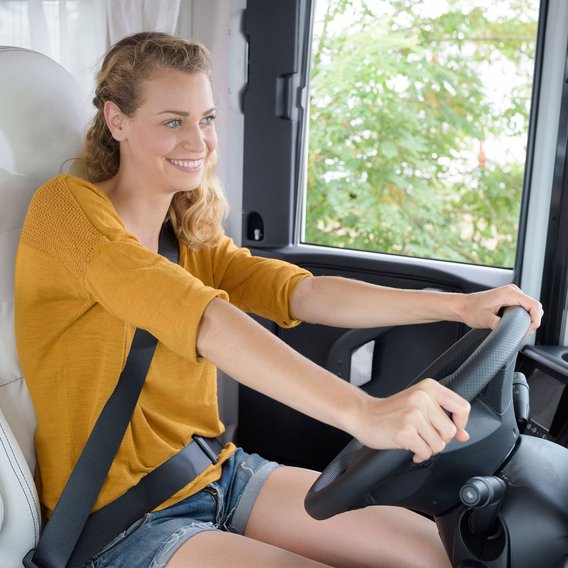
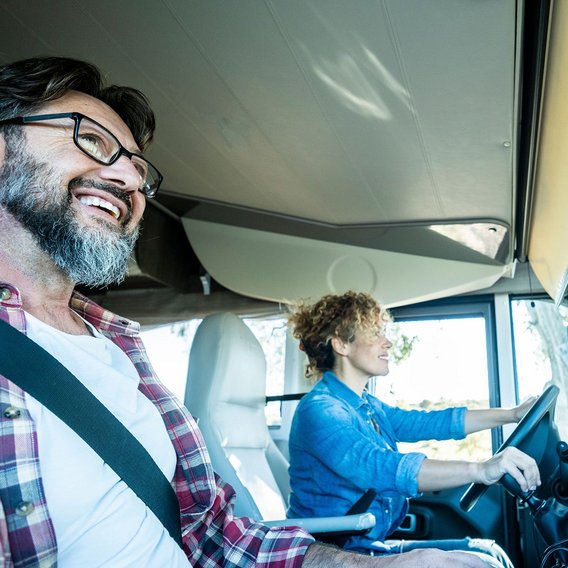
Hire a motorhome and set off on your journey. Discover practical tips on hiring and important safety information. Our checklist and answers to frequently asked questions make planning a breeze. The TÜV NORD motorhome guide is your go-to resource for finding the perfect motorhome.

Not everyone can fulfil the dream of owning their own motorhome, nor does everyone want to. It’s a good idea to hire a motorhome before buying one and gain some initial experience with a hire vehicle. Afterwards, the decision becomes easier, or you may realise that a camping adventure doesn’t offer complete fulfilment as a travel experience in the long term.
Most major dealers have a rental fleet comprising a variety of vehicles. However, anyone heading to a rental depot should expect high rental prices, particularly during the high season. Therefore, a few important factors should be taken into account.
You can hire motorhomes directly from private individuals on various online platforms. This option offers a wider choice, as private providers often offer vehicles with unique charm and rustic interiors that are no longer available from commercial rental companies.
From homemade campervans to luxurious motorhomes, you’ll find everything. Prices are often lower, but a holiday in a privately rented motorhome can still be expensive and carries certain risks. Pay particular attention to the insurance terms and conditions and cover notes. Ensure that the motorhome is registered as a self-drive hire vehicle and listed on the vehicle registration document to guarantee insurance cover.
One advantage of private hire is direct contact with the owner, who can provide you with valuable first-hand information and travel tips.
Remember that you will need the right camping equipment for your holiday, which is often not included in the motorhome. Camping chairs, tables and kitchen equipment are essential. Perhaps fellow campers you know can help out. However, many private rental companies offer fully equipped motorhomes. Please note the maximum authorised weight, as the payload for motorhomes in the ‘3.5-tonne class’ is often limited.
Hiring a motorhome through a professional agency or dealer offers numerous advantages, particularly the availability guarantee. This guarantee ensures you will be provided with a replacement vehicle should your booked motorhome be unavailable due to a technical fault or accident. Large rental companies are generally able to arrange a replacement quickly.
Professional providers usually offer motorhomes that are no more than two or three years old and are regularly serviced. Furthermore, these vehicles are fully insured, and there is a comprehensive set of contractual terms and conditions that offer you additional security.
Make sure that the availability guarantee is included in the lease agreement so that you are covered in the event of a breakdown.
Once you’ve decided to hire a motorhome and are setting off on your first trip, a thorough handover is essential. Make the most of this opportunity to familiarise yourself fully with the vehicle.
A service fee is often charged for the briefing and the basic package. To ensure you don’t forget all the information, we recommend watching helpful instructional videos online. Avoid costly mistakes, such as confusing the fresh water tank with the fuel tank.
It is advisable for both members of a couple to attend the briefing so that you can better absorb and process the information.
During the briefing, you will receive a handover report in which all defects are documented. Inspect the bodywork and interior carefully and note down any damage such as dents, scratches or stone chips, particularly on the front and rear bumpers.
Check that electrical appliances such as the fridge, heating and air conditioning (if fitted) are working properly. Also ensure that the gas system is in perfect working order and ask to be shown the emergency shut-off valves for the gas line.
Ask for an explanation of how to operate the flaps, windows, doors and locks, as well as how to set up the beds.
Any defects that have not been rectified will be recorded in the handover report and compared with the condition of the vehicle upon return. Defects caused by the renter must be borne by the renter, often within the excess of the comprehensive insurance cover of up to €1,500.
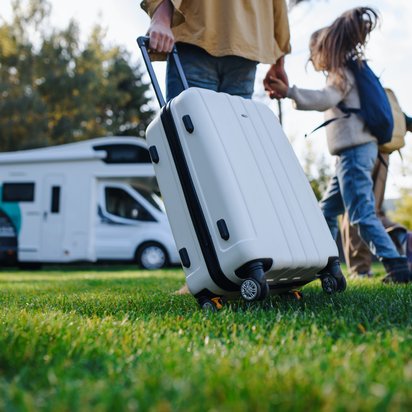
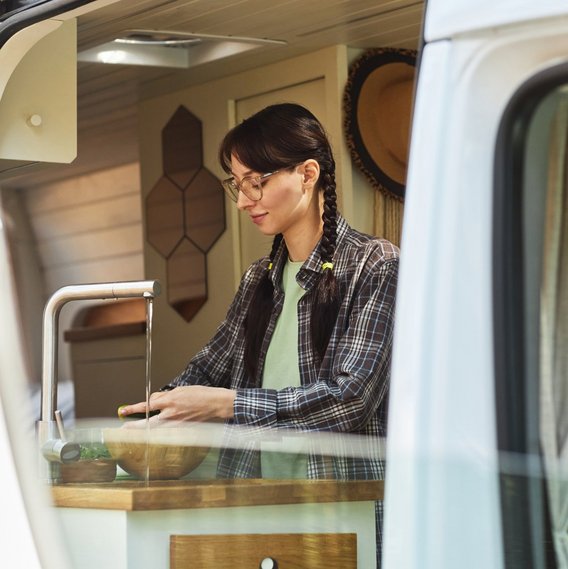
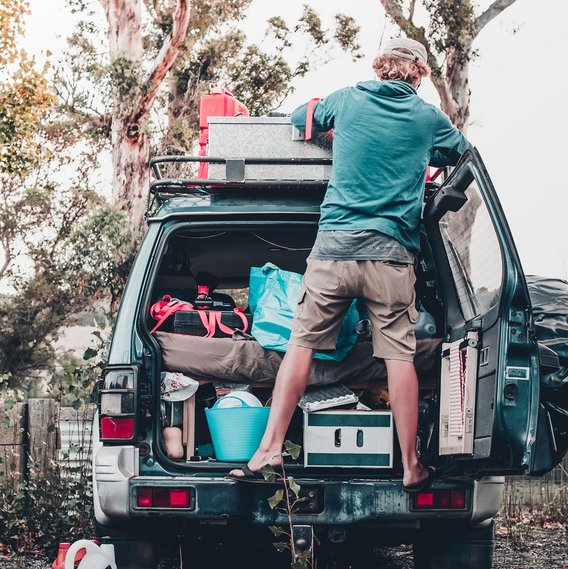
Private motorhome rentals are often very well equipped, whereas commercial rental companies usually provide only basic equipment. Make sure that your rented motorhome includes the following equipment:
Before departure, you should ensure that you have a high-visibility vest, warning triangle, first-aid kit and, for motorhomes weighing over 3.5 tonnes, a portable yellow-orange warning light.
When returning a hired motorhome, it is important that the chemical toilet is clean and emptied to avoid additional charges.
The number of kilometres driven can vary significantly depending on the duration of your trip and your destination. It is therefore important to calculate the estimated number of kilometres before booking and compare this with the free mileage included in the rental agreement.
Additional kilometres are charged upon return and can cost up to 40 cents or more per kilometre, depending on the provider and vehicle type.
It can be financially advantageous to hire the motorhome for a longer period and share the hire period with family, friends or acquaintances. In this case, however, clear agreements with the hire company are necessary.
Motorhome hire prices are highest during the peak season and school holidays, often costing up to 50% more than in the off-season. To save money, avoid travelling during holiday periods or hire in a region where schools are not currently on holiday. Some hire companies offer early-booking discounts and lower rates for longer hire periods.
Rental prices usually include a daily mileage allowance, often 250 kilometres per day. Any additional kilometres are charged separately. Compare quotes: a higher daily rate with no mileage limit may work out cheaper if you cover a lot of ground.
Motorhomes use more fuel than cars, around 10 to 15 litres of diesel per 100 kilometres. Make sure you factor these costs in.
Hired vehicles are covered by comprehensive and third-party liability insurance. Please check the excess. There is an additional charge for insurance with no excess. Travel cancellation insurance and a travel assistance policy are recommended, particularly for trips abroad.
For anyone who only travels occasionally, hiring a motorhome often makes more sense than buying one. Owning your own motorhome not only involves high upfront costs, but also ongoing expenses such as insurance, tax, maintenance and storage fees. On top of that, there is the depreciation of the vehicle.
If you are hiring a caravan rather than a motorhome, there are a few specific safety considerations to bear in mind to ensure a smooth and safe journey.
A Category B driving licence is sufficient for motorhomes weighing up to 3.5 tonnes. For heavier vehicles, you will need a Category C1 licence or an old Category 3 licence. Check the maximum authorised mass with the supplier.
During the peak season (e.g. summer holidays, long weekends), it is advisable to book at least 3–6 months in advance. For the off-peak season, 2–4 weeks is often sufficient.
Yes, many providers require a minimum rental period of 3 to 7 days – and sometimes even longer during the peak season.
Prices depend on the type of vehicle, the season and the hire period:
➤ Panel van: approx. €70–90/day (low season), €100–140/day (high season)
➤ Semi-integrated: approx. €90–110/day (low season), €130–170/day (high season)
➤ Alcove model: approx. €100–120/day (low season), €150–190/day (high season)
Additional costs may apply for:
➤ Handover/service fee
➤ Additional kilometres
➤ Final cleaning
➤ Camping equipment
➤ Insurance options
Tip: The earlier you book and the longer you hire, the cheaper it usually is.
When you take delivery of the vehicle, its condition will be documented: the bodywork, interior, fittings, mileage, fuel level, etc. Make sure you’re shown everything in detail – and take photos of any damage. This will protect you from any disputes later on.
In the event of a claim, comprehensive insurance applies, subject to an excess. This is usually between €750 and €1,500. Some insurers offer the option of reducing this amount through supplementary cover.
Generally speaking, yes – within the EU, usually without restrictions. For travel outside Europe or to non-EU countries (e.g. Switzerland, Norway), you should check with the rental company beforehand and verify your insurance cover.
That depends on the provider. Some allow dogs or other pets for an additional fee or subject to specific cleaning rules. It’s best to check before booking.
It varies. The usual items include: gas bottle(s), power cable, fresh water hose, wheel chocks, camping table and chairs. Bed linen, crockery or kitchen utensils can sometimes be booked as optional extras.
You should return the vehicle with a full tank of fuel, cleaned, and with the toilet and waste water tanks emptied. Otherwise, additional charges will apply. The return will be recorded in the same way as the handover.