Skip to content

Guides and tips

Washing your car in winter

We’ve all been there: ice, slush and road salt take their toll on your car in winter – TÜV NORD shows you how to maintain visibility, protect the paintwork and extend the life of your car by using a car wash.

Follow 10 winter washing tips
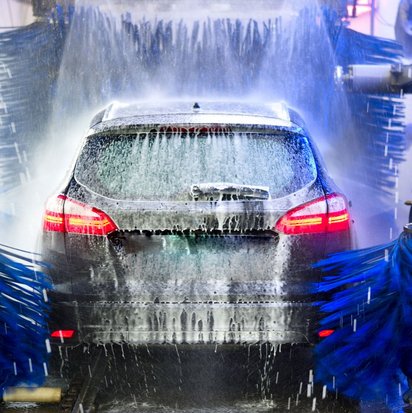
Auto in einer automatischen Autowaschanlage mit Schaum und Bürsten

Why car washing is important in winter

In winter, ice, slush and road salt take a heavy toll on paintwork, brakes and seals – and at the same time, visibility is impaired by dirty headlights. However, you should not wash your car any less frequently than in summer – except in extreme cold below –10 °C, to avoid a ‘thermal shock’.

TÜV NORD shows you how to clean your vehicle correctly, safely and without damaging the paintwork using a car wash – for maximum protection, including an underbody wash.

Car in winter: This is how often it really belongs in the car wash

Many drivers are reluctant to wash their cars in winter, as they quickly get dirty again anyway due to slush, ice and road salt. Yet it is particularly important to wash your car regularly in winter. This prevents salt, grit and sand from damaging the paintwork.

And what’s even more important: you’re ensuring your own safety, because dirty windows and headlights mean you have poorer visibility and are also less visible to others. So make sure you clean your windows, headlights and indicators regularly.

Paint care: polish and wax before winter

Experts recommend treating the car with polish and wax before temperatures drop below ten degrees. This is because such care products become too thick and viscous at lower temperatures, making them difficult to use effectively. The car should always be run through a car wash before waxing.

Minor paintwork damage, often caused by stone chips or road grit, can usually be removed with polish, as it is often only the top layer of the paintwork that is scratched. The polish ensures that these superficial scratches disappear. Treat more severe paintwork damage with suitable touch-up pens to prevent rust from forming. It is best to apply the polish gently using soft sponges or microfibre cloths in small circular movements. The final step to a well-maintained paintwork is applying hard wax. This works in exactly the same way as the polish. As a general rule for paintwork care: it is better to use gentle circular movements than to rub hard. The wax seals the open paint pores and protects your car’s bodywork from road salt and harmful environmental factors. With this preparation, winter can come!
10 tips for washing your car in sub-zero temperatures

  1. In sub-zero temperatures, it is best to use a car wash that uses active foam cleaner and a steam jet.
  2. Before washing the car, seal the door locks with adhesive tape to prevent them from freezing due to freezing wash water.
  3. Treat the door seals with silicone before washing to prevent the doors from jamming.
  4. Use a high-pressure washer to remove coarse dirt and sand beforehand, as these can otherwise scratch the paintwork.
  5. Choose a wash with active foam if you want to remove stubborn dirt, as this special foam is particularly effective at loosening grime from the vehicle.
  6. Washing the underbody is particularly important in winter to remove stubborn dirt and road salt.
  7. Wax programmes such as nano-sealing or gloss protection sealing protect the bodywork from corrosion – unfortunately, however, liquid wax only adheres for a short time and is therefore of little use.
  8. If you have chosen a wax treatment, remove the wax film from the windows after cleaning to avoid streaks.
  9. After washing, park your vehicle in a garage if possible so that it can dry thoroughly in a frost-free environment.
  10. If you want to treat your paintwork to something special, apply hard wax by hand after washing and polish it thoroughly.

What you should know

Frequently asked questions about washing your car in winter

Yes. Salt, grit and mud tend to accumulate underneath the vehicle. A thorough underbody clean whilst the car is still in the car wash helps prevent long-term corrosion.

Prevent locks and seals from freezing by applying a thin layer of silicone lubricant beforehand. Cover door locks with waterproof tape to prevent them from freezing over in sub-zero temperatures.

Not usually. Many local authorities prohibit car washing on unsealed private land for water protection reasons. A car wash with wastewater treatment is often a legal requirement.

Keeping your car fit through the winter - 10 simple tips

Snow, salt and cold weather can take a real toll on your car in winter. With our 10 practical tips, you can keep your car protected, clean and retain its value – it’s easy to do.

More useful winter tips for your car

If you know how to keep your car safe and clean throughout the winter, you’ll no doubt want to find out more about winter protection, safety and driving. Here you’ll find further topics to help you get your car and accessories ready for the cold months.
Autos unter einer dicken Schneedecke in einer Stadt

Safe parking in winter

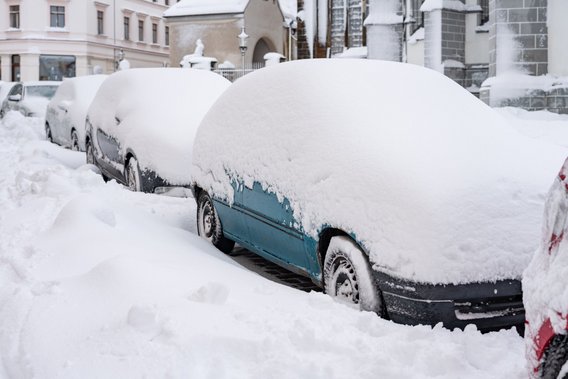
Snow, ice and icy surfaces pose additional risks when parking your vehicle. Here’s what you need to bear in mind when parking in winter: from choosing the right spot and leaving space for snow-clearing vehicles to using the handbrake safely.
Find out more about parking in winter
Winterreifen auf schneebedeckter Straße im Winter

Winter tyres: Legislation & Safety

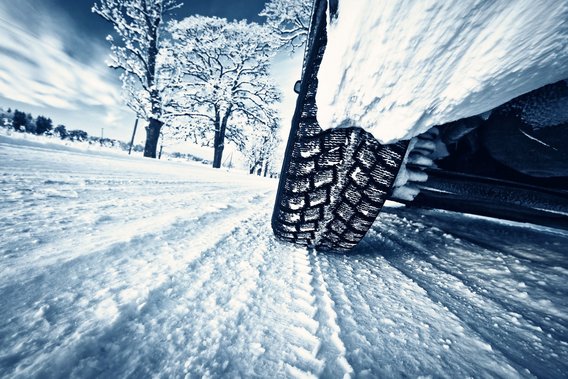
Below 7 °C, the rubber in summer tyres hardens – which means an increased risk of skidding and longer braking distances. Make sure you find out in good time about legal requirements (including the Alpine symbol), tread depth and tips on changing tyres, so that you can get through the winter months safely.
Everything you need to know about winter tyres
Snowboard im Kofferraum eines blauen Autos bei Schneefall

Transporting winter sports equipment safely

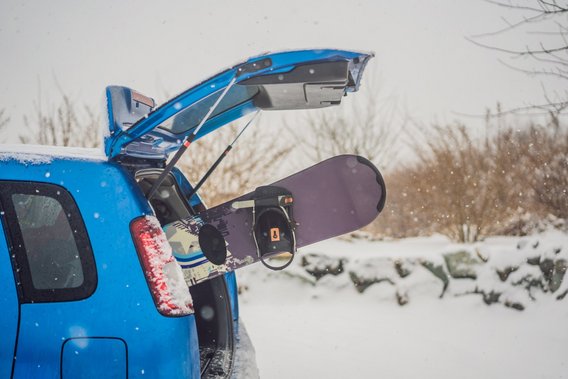
Skis, snowboards, sledge: If you want to store winter sports equipment on your car roof, you should first find out how to secure it properly and which roof rack systems are suitable. This will help you avoid damage to your vehicle, accidents and issues with load securing.
Further information on transporting winter sports equipment

Contact

We look forward to your enquiry!

TÜV NORD Mobilität

Guide and tips