Renewable energies
What is green flexibility?
How our energy system can become more flexible.

Renewable energies
How our energy system can become more flexible.
27 November 2025
In 2024, almost 60 percent of Germany’s electricity was generated from wind, sun and water – a new record. The share of renewables is set to increase to 80 percent by 2030. Since sunshine and wind vary in intensity, the energy system itself needs to be more agile. The key concept here is green flexibility. Ilona Dickschas, an expert in sector coupling and battery storage at TÜV NORD, explains what this means and what it entails.
#explore: Ms. Dickschas, what is meant by green flexibility?
Ilona Dickschas: The growth of renewable energies is resulting in more pronounced fluctuations in the electricity system: sometimes there’s too much supply, which means that the output from solar or wind power plants has to be curtailed. Sometimes there’s a shortage which has to be bridged by gas-fired power plants, pumped storage power plants or battery storage systems, for example. Green flexibility is all about exploiting the possibility of actively and proactively coordinating generation and consumption, for example through controllable consumer appliances, storage technologies or power-to-X solutions, by which I mean systems to convert surplus electricity into green hydrogen or heat, for example. This makes green flexibility a key component of the energy transition.
What are the pillars of this kind of flexible energy system?
One important aspect is what is known as demand-response management. The idea is for large industrial plants in particular to deliberately shift their energy-intensive processes to times when a lot of wind or solar power is available. To cover a proportion of their energy needs, companies can also run their own electricity or heat storage systems, which some are already doing. If your vehicle fleet is electrified, it makes sense to control the charging processes using dynamic load management and shift them to times when lots of electricity is available. This will also prevent the local power grid from getting overloaded. All these measures require smart networking of the individual systems, whose real-time capability is becoming increasingly important in the light of the need to respond virtually instantly to fluctuations in the power grid.
This real-time capability is critically dependent on smart electricity meters. But their roll-out is going slowly in Germany. Why is that?
There’s a whole array of reasons for this, ranging from a shortage of skilled workers to the excessive demands on the grid operators responsible for their installation. At the end of the day, it’s probably fair to say that everyone has underestimated the rate of renewables growth over the past decades. However, other countries such as Sweden, France and Spain are already well ahead of us in their smart meter roll-outs. We need to get a move on here if we’re going to make green flexibility, which is such a key factor, more widely available.
What targeted structural measures can be used to promote the flexibility that is needed here?
One of the options being discussed is the introduction of what’s known as a capacity market, as has already been established in the UK and was considered by the former traffic-light coalition government. In Germany, power plant and storage operators currently earn money by trading electricity on the stock exchange and providing balancing services to stabilise the grid. In a capacity market, they would also be rewarded for maintaining power plant or storage capacities to ensure security of supply. This system has made the UK the European pioneer in battery storage. A capacity market like this could also incentivise investment in hydrogen production and storage. Unlike battery storage systems, hydrogen storage systems can’t yet be operated economically, but they will be needed as a long-term storage solution to cover those periods when little energy is being generated by renewables.

What role do TÜV NORD experts have to play in setting up this flexible system?
We can use simulations to analyse various scenarios for the integration of a battery storage system, for example for an industrial company. These allow us to evaluate the operating behaviour, grid interaction and profitability of the plant and identify the optimisation potential at an early stage. When it comes to the point of grid connection, we verify whether the storage systems can be connected to the power grid safely and in accordance with the rules – if the answer is yes, we then issue a project-specific system certificate. However, our experts also certify energy generation plant controllers. These devices ensure that the plant – for example, the battery storage system – and the grid operator can communicate with one another. For instance, a controller might send a signal to the storage system to tell it to feed electricity into the grid because of a drop in grid frequency. As part of the certification, we check this small but critically important system component to see whether it meets the requirements – and if it does, we issue a type-specific component certificate.
What challenges do the actors in the energy system face?
One key challenge is preparing for new ordinances and regulations. For example, the new EU Battery Regulation was transposed into German law at the beginning of October. Among other things, this sets stricter guidelines for recycling and makes a digital battery passport mandatory, in which manufacturers must state the location of the production facility and the battery’s carbon footprint. Adapting to these and other new regulations is time-consuming and expensive. Our experts sit on all the relevant standardisation committees, which means that we can provide comprehensive information about upcoming changes and also help companies implement new guidelines. This also applies to the design of recycling concepts, which operators need to think about before commissioning.

Looking into your crystal ball for a moment, what do you think the flexible energy system of the future, in which every single element dovetails intelligently with every other, will look like?
A system like this already exists, albeit on a small scale: the Hassfurt municipal utility is using solar power systems, a community wind farm and a biogas plant to cover the entire electricity needs of the citizens of this county town in Lower Franconia. Surplus electricity is stored in batteries or converted into green hydrogen, which in turn is used in a combined heat and power plant. Since the smart meter roll-out in Hassfurt is already complete, consumers can shift the operation of their heat pumps or the charging of their EVs to times when there is plentiful supply, thereby benefiting from low electricity prices. We can imagine the flexible energy system of the future as a smart network of lots of decentralised systems of this kind that mutually optimise and support each other.
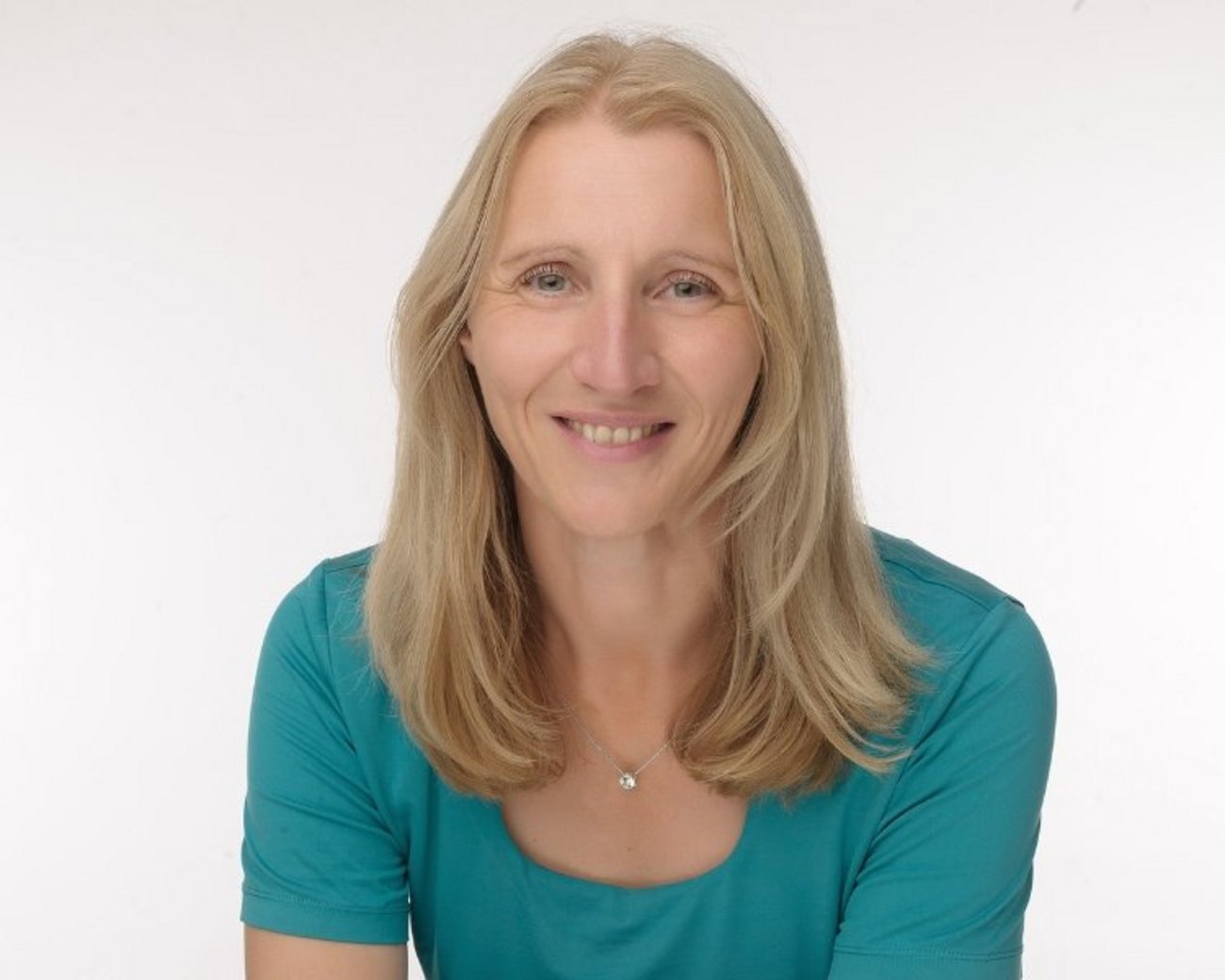
Ilona Dickschas is director of Sector Coupling and an expert in battery storage at TÜV NORD EnSys. She has been working on renewable energies, electric mobility, battery storage and hydrogen for around 15 years.
This is an article from #explore. #explore is a digital journey of discovery into a world that is rapidly changing. Increasing connectivity, innovative technologies, and all-encompassing digitalization are creating new things and turning the familiar upside down. However, this also brings dangers and risks: #explore shows a safe path through the connected world.