Loading …
Latest news from #explore

29/07/2026
Vulnerability management under the Cyber Resilience Act: What manufacturers need to know and implement now
Article
Cyber security
Digitization and innovation
#explore
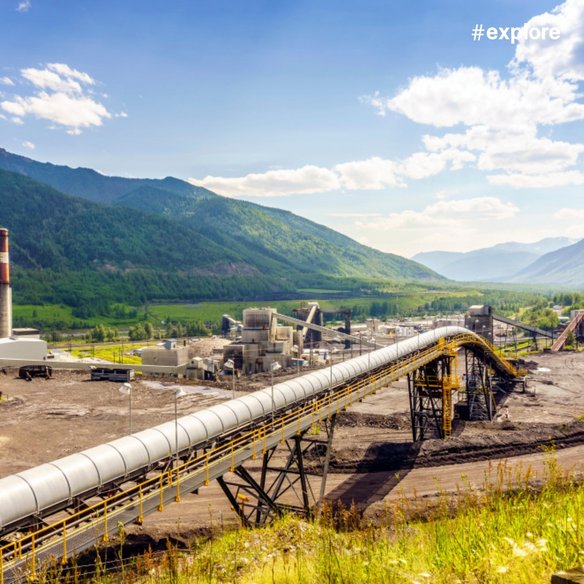
02/07/2026
Carbon Management: Why it is so important for industrial transformation to transport, utilise and store CO₂ efficiently
Article
Energy efficiency
Sustainability and environmental protection
#explore


19/03/2026
Are things finally on the move?
Article
Digitization and innovation
Artificial intelligence
Traffic and mobility
#explore

12/03/2026
Car checks in just a few minutes
Article
Digitization and innovation
Elektromobility
Traffic and mobility
#explore

05/03/2026
Why do wind turbines have (only) three blades?
Article
Energy efficiency
Climate change
Sustainability and environmental protection
#explore

26/02/2026
Innovations in house building
Article
Sustainability and environmental protection
#explore