Carbon-neutral transport
What are e-fuels?
Are electricity-based fuels a climate-friendly and affordable alternative?
Carbon-neutral transport
Are electricity-based fuels a climate-friendly and affordable alternative?
23 November 2023
From 2035, new vehicle registrations in the EU will be restricted to zero-emission passenger cars and light commercial vehicles. With one exception: New cars with internal combustion engines will be approved if they run exclusively on synthetic and 100 percent carbon-neutral fuels. While some consider these “e-fuels” to be an ideal solution, others are critical of their use in cars. We clarify the most important questions about synthetic fuels.
What are e-fuels?
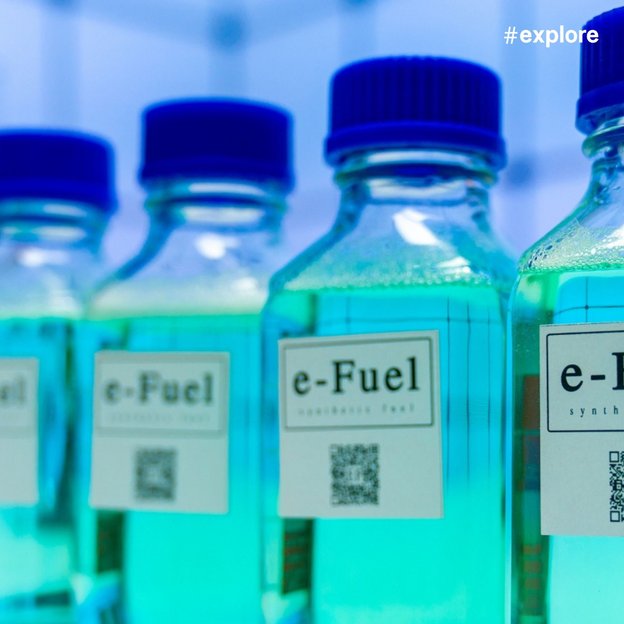
E-fuels is the abbreviation for electrofuels. These are produced from water and carbon dioxide (CO2) using electricity and have almost the same properties as petrol or diesel. This means that they can also be used in normal combustion engines without conversion, provided that the manufacturer has approved the use of the alternative fuel for the vehicle in question.
How are the green electrofuels produced?
First, electrolysis is used to split water into oxygen and hydrogen using electricity from renewable energies. The hydrogen is then processed with CO2 using what is known as the Fischer-Tropsch process to form a synthetic crude oil and then refined into various fuels. This always produces both e-petrol and e-diesel as well as e-kerosene. “For all three end products, you need buyers. So it wouldn’t be economical to use e-fuels only in aviation, for example,” says Manuel Hagemann, an expert in alternative propulsion systems at TÜV NORD.
How climate- and environmentally friendly are e-fuels?
As with conventional petrol or diesel, nitrogen oxides, particulate matter and CO2 are released when e-fuels are burned. However, this CO2 is climate neutral under two conditions:
As a result, no additional carbon dioxide is released into the air when the synthetic fuels are burned, and the overall emissions balance is carbon neutral. Unlike battery or fuel cell cars, however, the level of nitrogen oxide and particulate matter pollution in cities cannot be reduced by the use of e-fuels. “However, these emissions can be significantly reduced by existing exhaust gas purification systems,” says Helge Schmidt, an expert in exhaust emissions at TÜV NORD. “Since the composition of the e-fuels can be influenced during production, this represents an attempt to minimise pollutant emissions.”
What about the energy balance of e-fuels?
The energy balance of synthetic fuels is the most important argument against their widespread use in road transport. This is because their production requires an enormous amount of energy, and combustion engines are incomparably less efficient than electric motors.
A car fuelled with e-fuels therefore needs a good five times as much energy per kilometre as an electric car. And green electricity will not be available in abundance for the foreseeable future.
What role can e-fuels play in road traffic?
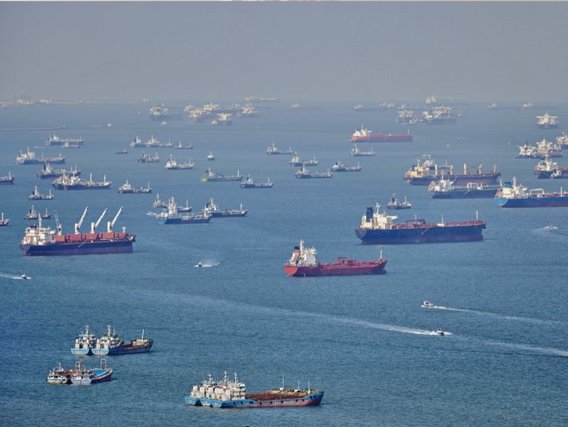
In aviation and shipping, batteries are not a viable alternative in the long term – especially for long distances. Therefore, these industries aim to make their operations less CO2-intensive in the future by using hydrogen and e-fuels. In the automotive sector, however, the electric motor is considered the best and most efficient solution to meet climate goals. Yet, vehicles with internal combustion engines will not disappear from the roads anytime soon, according to Helge Schmidt from TÜV NORD. Even if conventional combustion engines are no longer sold after 2035, it is estimated that it will take around 15 years for the entire vehicle fleet in the EU to be renewed. "The use of synthetic fuels can be important during this transition phase to reduce CO2 emissions in road traffic on a balance sheet basis," says expert Schmidt.
How much does the synthetic fuel cost?
If they are going to be viable for motorists, e-fuels must above all be affordable. At present, however, they don’t offer an alternative to fossil fuels in price terms, also because they have so far only been produced in very small quantities. According to estimates, when the industrial production of e-fuels starts, production costs of two to three euros per litre might initially be incurred. This would make them three to five times more expensive than a litre of conventional petrol, which was traded for around 60 cents on wholesale markets in October 2023. However, the price of e-fuels is likely to fall if production continues to increase and manufacturing processes are optimised. Not only that, but the mineral oil tax would be a way for policymakers to make synthetic fuels competitive with fossil fuels.
When will we be able to pump e-fuels at petrol stations?
Like conventional petrol or diesel, it will be possible to distribute e-fuels via the existing network of filling stations. So the infrastructure is already in place. So far, however, the synthetic fuels have only been produced in a few pilot plants – for example, in a pilot plant in Chile, where there’s lots of wind, in which Porsche is also involved. Karlsruhe-based Ineratec plans to commission the first large-scale industrial production plant for the production of e-kerosene in Germany in Frankfurt am Main in 2024.
According to an analysis by the Potsdam Institute for Climate Impact Research, around 60 new e-fuel projects have been announced worldwide for the period until 2035. Of these, however, only one percent have already had their financing definitively sorted out. Even if all 60 plants are actually built, together they would cover just ten percent of Germany’s demand. And that’s only where e-fuels are indispensable, i.e. in aviation, shipping and the chemical industry. To boost investment in production facilities for e-fuels, the EU wants to give companies security for their future planning with a fixed quota system.
EU quota for e-fuels
EU requirements state that 29 percent of the energy consumed in the transport sector will have to come from renewable sources by 2030.
How will cars be able to drive on e-fuels only from 2035?
What this new vehicle category will look like is currently still to be resolved. “Among other things, it’ll need to be ensured that newly registered vehicles can actually be refuelled exclusively with e-fuels,” says Helge Schmidt. “One possibility would be to deploy smart fuel pumps that communicate with the vehicle,” says the emissions expert. Special fuel nozzles that only fit e-fuels vehicles are also being discussed. However, the associated statutory regulations are only expected in future years.


This is an article from #explore. #explore is a digital journey of discovery into a world that is rapidly changing. Increasing connectivity, innovative technologies, and all-encompassing digitalization are creating new things and turning the familiar upside down. However, this also brings dangers and risks: #explore shows a safe path through the connected world.