Robot, chatbots & friends
Artificial Intelligence: The future is clever
Artificial intelligence is developing rapidly and will bring about profound changes. TÜV NORD is already setting the course.
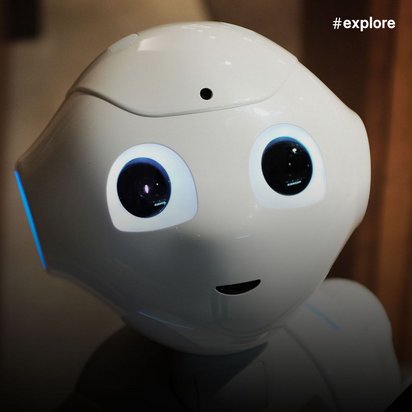
Robot, chatbots & friends
Artificial intelligence is developing rapidly and will bring about profound changes. TÜV NORD is already setting the course.
21. November 2017
Artificial Intelligence has been shaping our daily lives for much longer than most people realise: Chatbots answer questions, sell things and offer advice; smart software beats even the world's best players of the board game Go and controls drones; and, thanks to automated equipment, industry has become more efficient. The next few years will see significant evolution of the technology – with far-reaching consequences at all levels. TÜV NORD is already setting the course for this future development.
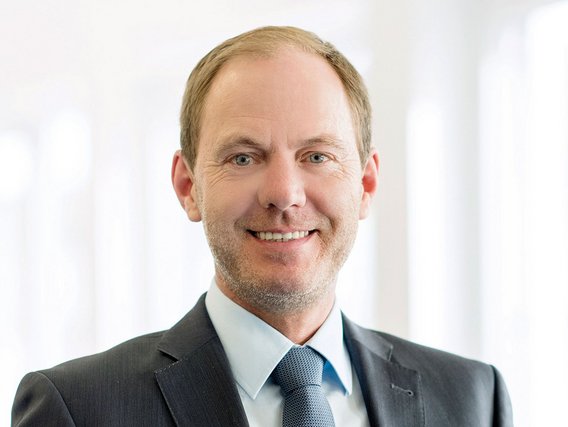
The hype surrounding the fashionable subject of Artificial Intelligence shows no sign of diminishing: Hardly a day goes by without some discussion of new and exciting ideas. But anyone who believes that clever computer programs that simulate human behaviour and manage tasks on their own are pie in the sky and nothing more than the vision of a few whizz kids is barking up the wrong tree. “Many people don’t know that Artificial Intelligence has already been everywhere for a long time,” says Carsten Becker, head of the Corporate Centre Innovation at TÜV NORD. If, for instance, you want to get your bank card blocked online, you will in all probability be communicating with a chatbot rather than, for instance, a customer services team member. The intelligent communications robot will ask you for your account number and then forward the application for a new card. Just as highly developed are software programs for speech and image recognition. With each new generation - regardless of device - the technology is showing itself to be more sophisticated and more professional.
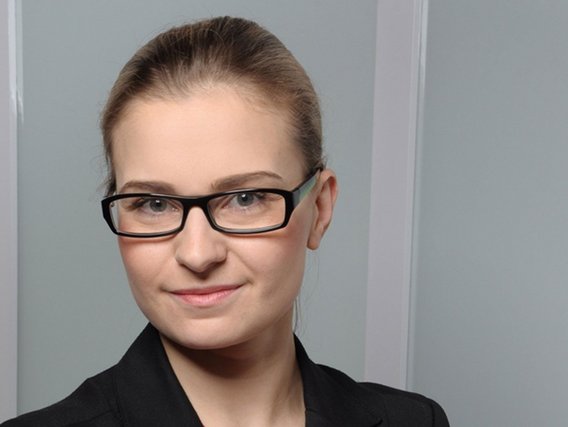
And yet, the age in which smart robots, such as the ones we know from science fiction movies, will be deployed is still a long way off. Of this Irina Fiegenbaum is convinced. The expert in Artificial Intelligence and team-mate of Carsten Becker works on behalf of TÜV NORD to analyse which technologies are already available, where the limits lie, and which systems the company can already make use of. “It’s true to say that there are intelligent programs that make the work of people more efficient, but we aren’t going to be replaced by robots any time soon,” says the industrial engineer. On the contrary, Irina Fiegenbaum believes that technology is opening up more space for creativity and making our everyday lives more exciting, even if machines will in the future work better, faster and with fewer mistakes than people.
Carsten Becker also believes that fears about the rise of robots are misplaced. His view is clear: instead of waiting anxiously for an uncertain future and worrying about jobs, every company should take an active role in shaping what comes next. "Artificial intelligence is here to stay in the long term," he explains. “For TÜV NORD, that means we have to take a clear position. AI will affect every part of our business.” That is why he and Irina Fiegenbaum are focusing on the opportunities AI already offers today. "We need to prepare now, even if the technology hasn't yet reached the level we imagine it could one day achieve," says Fiegenbaum. At the moment, TÜV NORD is laying the groundwork for the use of intelligent systems. One potential application in the medium term is inspections.
"If AI can help us improve inspections in the future, then we should make use of it," says Carsten Becker. "We're fortunate to be exploring this technology at such an early stage. That gives us a good chance of becoming one of the leaders in the field."
This is an article from #explore. #explore is a digital journey of discovery into a world that is rapidly changing. Increasing connectivity, innovative technologies, and all-encompassing digitalization are creating new things and turning the familiar upside down. However, this also brings dangers and risks: #explore shows a safe path through the connected world.