Guide and tips
Odometer tampering is a widespread problem in the second-hand car market. When the odometer reading is rolled back, buyers face financial losses and safety risks due to underestimated wear and tear. Find out how to spot odometer tampering, protect yourself when buying a car, and what the legal consequences of such fraud are.
Book a vehicle diagnostic check now
The mileage not only affects the purchase price of a second-hand car, but also provides an indication of wear and tear and the vehicle’s maintenance history. This is precisely why it is a target for tampering: Sellers roll back the odometer to increase the resale value or to avoid leasing penalties for exceeding the mileage limit. For buyers, this poses a double risk: you end up paying an inflated price for a vehicle whose actual condition is worse than stated.
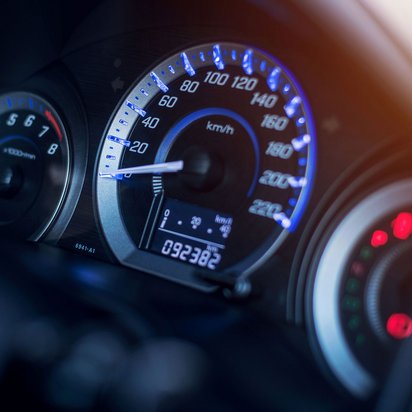
Odometer fraud refers to the deliberate alteration of a vehicle’s mileage. This involves reducing the actual distance travelled. Modern vehicles are fitted with electronic odometers, which can be manipulated using specialised software or technical devices. For example, a vehicle that has actually covered 250,000 kilometres can be offered for sale as one with only 120,000 kilometres on the clock. In reality, however, the vehicle has a higher mileage than stated in the contract of sale. This gives buyers a false impression of the vehicle’s condition and value.
Resetting the odometer is child’s play. Although it is prohibited by law, ‘service providers’ offer odometer tampering for as little as 50 euros. The fraudsters use handy, easy-to-operate tampering devices that can be purchased legally for around 150 euros.
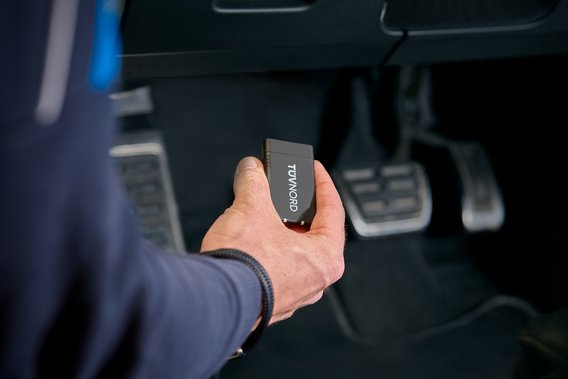
These devices are equipped with software that can set the odometer reading to any figure within a matter of seconds. The speedometer does not even need to be removed. The tampering device is simply connected to the diagnostic socket, which has been mandatory since 2000.
A vehicle’s mileage provides important information on:
The lower the mileage appears to be, the more attractive the vehicle seems to potential buyers. If the odometer has been tampered with, this can quickly lead to unexpected repair costs and financial losses.
TÜV NORD has analysed the results of 23,763 vehicle diagnostics from its in-house OBCD database (covering the period from January 2025 to September 2026, excluding demonstration vehicles). The result: the system detected speedometer tampering in 2.2 per cent of the vehicles tested.
The differences between the various types of powertrain are particularly striking. Diesel vehicles are the most frequently affected, at 2.9 per cent, followed by electric vehicles at 2.3 per cent. For petrol vehicles, the rate is 2.0 per cent, and for hybrid vehicles, 1.1 per cent.
There are also significant differences in the extent of the tampering: on average, 32,000 kilometres were missing from the odometer. For diesel vehicles, the average discrepancy was 44,500 kilometres; for petrol vehicles, it was 30,900 kilometres. For electric and hybrid vehicles, the discrepancy was noticeably lower at around 14,500 kilometres.
| Drive type | Proportion of tampered vehicles | Average deviation in kilometres |
| Diesel | 2.9% | 44,500 km |
| Electric | 2.3% | approx. 14,500 km |
| Petrol | 2.0% | 30,900 km |
| Hybrid | 1.1% | approx. 14,500 km |
| Total | 2.2% | 32,000 km |

Do you want to be sure that the mileage on your dream car is accurate? Have the vehicle’s history professionally checked and protect yourself from the consequences of odometer tampering.
A rolled-back odometer reading can often be detected through a thorough inspection. Pay particular attention to these 5 points:
If you suspect that the mileage is incorrect, you should act quickly:
In Germany, odometer tampering is a criminal offence under Section 22b of the Road Traffic Act (StVG) – see the Federal Office of Justice – as well as being a criminal offence under Section 263 of the Criminal Code (StGB), and is punishable by fines or imprisonment for up to one year. Offering or advertising such services is also prohibited.
Indications that the odometer has been tampered with may include inconsistencies in documents, unusually high wear and tear on the vehicle, or discrepancies in the mileage read from the vehicle’s electronic system.
Technically, it is possible to tamper with the speedometer, for example via the diagnostic interface. As a rule, however, traces are left behind in control units, service logs or external data sources. A digital alteration rarely goes undetected.
According to an analysis of 23,763 vehicle diagnostic reports from the TÜV NORD OBCD database, diesel vehicles are the most commonly affected, at 2.9 per cent, followed by electric vehicles (2.3 per cent), petrol cars (2.0 per cent) and hybrid vehicles (1.1 per cent).
According to TÜV NORD’s data analysis, the odometer reading is, on average, 32,000 kilometres short. For diesel vehicles, the average discrepancy is significantly higher at 44,500 kilometres, whilst for electric and hybrid vehicles it is noticeably lower at around 14,500 kilometres.
According to police figures, the odometer readings of around two million vehicles are tampered with in Germany every year. As a result, sellers achieve an average selling price that is around 3,000 euros higher per vehicle, at the buyers’ expense.
When purchasing from a commercial dealer, the stated mileage is deemed to be the agreed condition of the vehicle. A tampered odometer therefore constitutes a material defect. In such cases, buyers may demand rectification, a reduction in the purchase price, compensation for damages or, in the event of a significant discrepancy, even rescission of the sales contract.
When buying from a private individual, the warranty is often contractually excluded. In such cases, the only options are usually to contest the sale on the grounds of fraudulent misrepresentation or to report the matter to the police as fraud.
In the case of a commercial sale, the dealer is generally liable regardless of whether they were aware of the tampering, as the sole determining factor is the deviation from the agreed quality.
In the case of a private sale where the warranty has been validly excluded, the liability of a seller acting in good faith is generally waived, unless a false odometer reading was fraudulently falsified without their knowledge and they unwittingly passed this on.
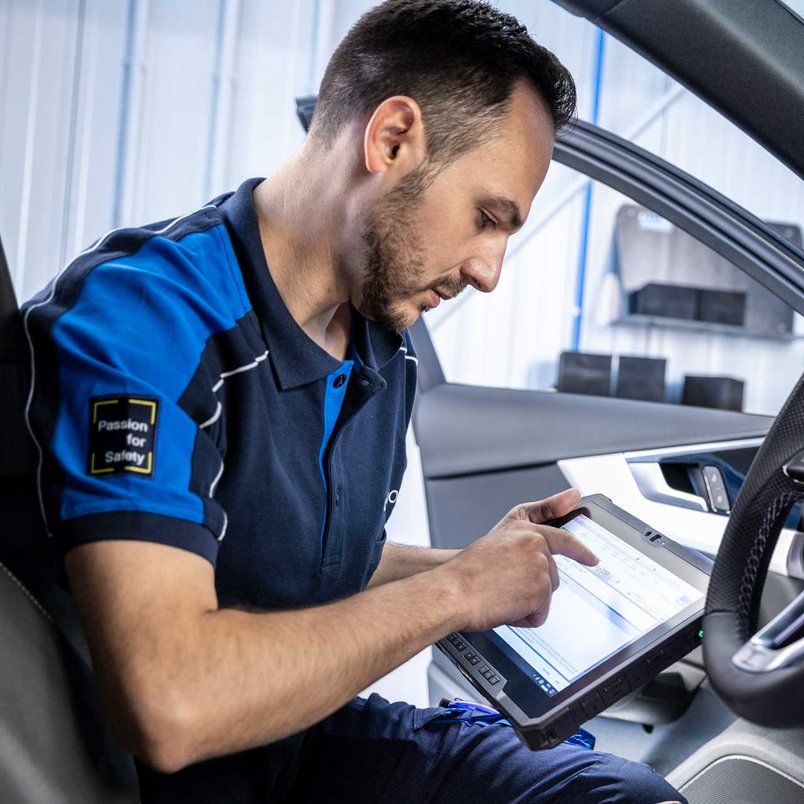
When buying a second-hand car, a tampered odometer can conceal the actual mileage – posing a risk in terms of price, wear and tear, and safety. With our TÜV NORD Onboard Car Diagnosis service, you can find out the original mileage and have the car professionally inspected.