Skip to content

Technical hygiene

Drinking water hygiene

Ensure the quality of your drinking water with TÜV NORD

The Drinking Water Ordinance (TrinkwV) requires building operators to comply with generally accepted technical standards. This applies to larger domestic hot water systems with a storage capacity of over 400 litres or a pipe volume of over three litres from the outlet of the water heater to the final tap.

Request a quote
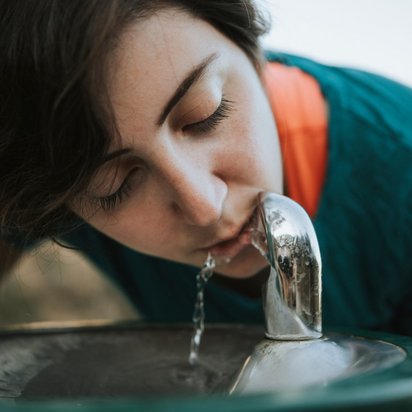
Frau trinkt aus einem Trinkwasserspender
Industrial Hygiene

Ensure the quality of your drinking water with TÜV NORD

Drinking Water Hygiene – Microbiological and Chemical Analyses

Who is required to carry out drinking water tests?

The Drinking Water Ordinance (TrinkwV) requires building operators to comply with generally accepted technical standards. For larger domestic hot water systems with a storage capacity of over 400 litres or a pipe volume of over 3 litres from the outlet of the water heater to the final tap, tests for Legionella must be carried out either annually or at least every three years, depending on the type of use.

Where the building is for public use, annual sampling is mandatory.

Sampling is mandatory immediately after commissioning and following any modification to the system.

Hygiene Chick Quecks

Are my systems subject to hygiene testing?

Technical Hygiene – Safety starts with the details

Hygiene means far more than just cleanliness. It is a crucial factor in protecting people, ensuring the smooth running of buildings and complying with legal requirements. Whether in the catering industry, public facilities or the healthcare sector – wherever large numbers of people gather, technical hygiene is becoming increasingly important.

Modern buildings and facilities place high demands on planning, operation and maintenance. This also applies to drinking water systems, ventilation and air-conditioning systems, and hygiene-sensitive areas. Only through holistic approaches and regular inspections can risks be identified at an early stage and minimised in the long term.

With our expertise, we support you in reliably maintaining your hygiene standards – in a practical, standards-compliant manner and tailored to your sector. Make use of our Quick Checks to quickly assess the condition of your systems and identify targeted measures.

  • HORECA (hotels, restaurants, catering): Ensuring hygiene and operational safety for guests and staff.
  • Public facilities: Protecting users and staff whilst ensuring cost-effective facility operation
  • Healthcare: The highest hygiene standards for sensitive areas and vulnerable groups

Select your sector and start the Quick Check to transparently assess your hygiene situation and optimise it in a targeted manner.
Start the Quick Check now

Drinking water tests are compulsory for owners and operators

Inspection prior to commissioning and following any modification to the drinking water system

  • Initial hygiene inspection of the drinking water system

During an on-site visit, a check is carried out to ensure that the drinking water installation complies with generally accepted technical standards. Any defects are summarised in a report. The inspection should take place as early as the planning stage to avoid hygiene problems. 

  • Cold water

Before the system is filled, a water sample is taken at the property connection and analysed for microbiological and chemical parameters. If changes are made to the system, the sample is taken from a specified tap within the installation. 

Request for a quotation: Drinking water hygiene

Request a quote or information

Get a detailed analysis and minimise health risks in your building. Ensure the quality of your drinking water with TÜV NORD. You can request a quote or further information here.

Regular inspections of your hot water systems in accordance with VDI 6023 are mandatory

You are required to have regular inspections carried out if your water heater has a storage capacity of more than 400 litres or if the volume of water flowing through the pipes, including showers, exceeds 3 litres up to the final tap.

Minimise health risks in your building. Have your hot water systems inspected regularly.

Commercial use of a property

If the property is used for commercial purposes, an inspection is mandatory every 3 years.

Public use of a property

Where the property is used for public purposes – for example, by nurseries, schools, prisons, care homes for the elderly and doctors’ surgeries – an annual inspection is mandatory.

This inspection requirement stems from the Drinking Water Ordinance and the associated requirement to comply with generally accepted technical standards. As part of the commissioning of the drinking water system, an initial hygiene inspection of the system must be carried out in accordance with VDI 6023 prior to commissioning.

In doing so, compliance with the requirements for planning and installation must be comprehensively checked before the drinking water system is filled. This inspection may only be carried out by competent persons with additional qualifications in hygiene engineering.

Cold water

Depending on the building’s use, different parameters must be examined. The following parameters are examined

  • Total bacterial counts at 22 and 36 degrees Celsius
  • E. coli, coliform bacteria and enterococci
  • Optional for sensitive areas: Pseudomonas

Chemical parameters

  • Lead, copper, nickel
  • Optionally cadmium and iron
  • Material from which the drinking water pipework is made (e.g. epichlorohydrin, vinyl chloride)

The hygiene laboratory will determine the exact tests to be carried out.

What should you do if the results are abnormal?

  • On-site risk assessment: site inspection and comparison with the regulations governing cold and hot water

If the technical action level for Legionella is reached or even exceeded during these tests, the operator must also arrange for a risk assessment (formerly known as a ‘hazard analysis’) to be carried out. This involves checking the drinking water installation for compliance with technical regulations, assessing any defects in terms of health risks, and determining remedial measures.

As a specialist consultancy and a testing laboratory accredited to DIN EN ISO 17025, we are experts in both professional drinking water testing and the competent and comprehensive safety assessment of your drinking water system.

Initial hygiene inspection

Initial hygiene inspection in accordance with VDI 6023

Greater safety in your drinking water system

The Drinking Water Ordinance of 2023 (Section 5) requires compliance with generally accepted technical standards. These include VDI 6023, which – like VDI 6022 – deals with hygiene in drinking water installations.

What is the initial hygiene inspection?

In accordance with VDI 6023, Section 5.4.3.2, an initial hygiene inspection is required before a drinking water installation is commissioned. This serves to check for areas of potential hygiene concern and ensures that the installation complies with the technical regulations.

Typical points to be checked are:

  • Prevention of excessive heating of cold-water pipes.
  • Checking for areas at risk of stagnation.
  • Verification that the documentation is complete.

Why is the initial hygiene inspection so important?

Errors in installation are rarely intentional; however, time pressure and complex procedures on site can lead to deviations from hygiene standards. If these go undetected, they often only come to light during microbiological testing, for example through abnormal Legionella findings. The consequences include time-consuming risk assessments, costly refurbishments and potential loss of use.

The initial hygiene inspection helps to identify and prevent such problems at an early stage.

Our services – going beyond the standard

We go one step further than required by VDI 6023:

  • Support right from the planning stage: we review the working drawings together with the planners and identify potential hygiene risks.
  • Drawing up a sampling plan, if required.
  • Documentation in the form of a report: The results of the inspection are summarised in a clear and transparent manner and handed over to the client.

Your benefit

The initial hygiene inspection offers you:

  • Assurance and confidence in the quality of your drinking water system.
  • Prevention of long-term problems and costs.
  • Legal certainty through compliance with statutory requirements.

How does an initial hygiene inspection work?

1
Document review

Step 1

Analysis of all design and construction documents to identify possible hygiene risks in the drinking water installation. Assessment of potential hazards and recommendations for necessary corrective measures.

2
Site visit

Step 2

Inspection of the pipework, which has not yet been filled. Checking all relevant components for hygiene-related defects, risks of stagnation and technical non-conformities. Including specific recommendations for rectifying defects.

3
Fixed asset audit

Step 3

Checking that the documents for the plant register are complete and comply with the relevant standards. Ensuring that all necessary supporting documents, records and technical documentation required for hygienically sound operation are available.

4
Preparation of expert reports

Step 4

Preparation of a clear and comprehensive report on the initial hygiene inspection in the form of an expert report. Documentation of all test results, identified risks, recommended measures and the recommendation for approval.

Our services for your drinking water hygiene

Industrial Hygiene

Further services relating to technical hygiene

Accreditation of our testing laboratory by DAkkS – Our commitment to quality

Our testing laboratory is accredited by the German Accreditation Body (DAkkS) in accordance with DIN EN ISO/IEC 17025. This accreditation confirms our technical expertise and our compliance with internationally recognised standards for testing and measurement.

What does this mean for you?

  • Reliable results: Our tests meet the highest quality standards.
  • Transparency and trust: Accreditation is official proof of our competence.
  • International recognition: Our test reports are accepted worldwide.

Downloads

Unsere Akkreditierungsurkunden können Sie hier einsehen

Akkreditierungsurkunde_TNS_vom_01.12.2025_Gesamturkunde.pdf
PDF
278 . 98 KB
Download
Akkreditierungsurkunde_TNS_vom_01.12.2025_-_Teilurkunde_plus_Anlage_Wasser.pdf
PDF
2 . 38 MB
Download
MU_57_Rev._14_Liste_der_akkreditierten_Prüfverfahren.pdf
PDF
1 . 62 MB
Download
Events

TÜV NORD Building Services – Webinars

We give you a knowledge edge!

In our new webinar series, we’ll be exploring the topic of operators’ obligations in the context of building services. We’ve put together some fascinating and topical subjects for you. Find out more about us and the services we offer. We look forward to supporting you as a reliable partner!

More information about our webinars

FAQs: Frequently asked questions, explained simply

Drinking water in the home

After 72 hours, the water in the pipes should be completely drained and replaced. Before taking your first shower after your holiday, you should let the water run for three to five minutes – and make sure it’s hot. The temperature must be at least 60 degrees to reliably kill Legionella bacteria. The same applies to the kitchen sink and the washbasin.

Legionella bacteria can cause infection when fine, respirable aerosols are inhaled. Under the Workplace Regulations, employers are always required to identify and minimise the risks to their employees.

The question of whether it makes sense to filter tap water is not easy to answer and depends on various factors. Generally speaking, German tap water is of high quality and meets the strict requirements of the Drinking Water Ordinance. From a hygiene perspective, therefore, filtering is not necessary in most cases.

Contakt

We look forward to hearing from you

TÜV NORD Systems

Trinkwasserhygiene